
Slow Feeder Mats: The Solution for Dogs Who Eat Too Fast
Eating too fast can be dangerous for your dog. Learn about the risks and how slow feeder bowls help make mealtimes safer.

It's very common in many homes – the dog finishes its meal in a few seconds, almost without chewing, and then stares at the empty bowl, waiting for more. For many owners, this behaviour even seems funny or is interpreted as a sign that the animal loves to eat. In reality, eating too quickly is a habit that can have serious consequences for a dog's health.
Why do dogs eat so fast?
The behaviour of eating quickly has roots in the species' natural instinct. The wild ancestors of dogs needed to eat as fast as possible to ensure they got their share before other members of the pack took it. This instinct of competition for food remains present even in domestic dogs who have never had to dispute a meal with anyone. Besides the instinctive factor, there are other frequent causes, such as having been rescued or having experienced periods of food scarcity, the presence of other animals at home that create a sense of competition, anxiety, boredom, or simply intense hunger when the interval between meals is too long. Some breeds, especially large and medium-sized breeds with deep chests, such as Labradors, German Shepherds, or Dobermanns, have an even greater tendency to swallow food almost without chewing.
The main dangers of eating too quickly
The most serious risk associated with this practice is gastric dilatation and volvulus, clinically known as gastric dilatation-volvulus syndrome. When a dog swallows large amounts of food and air in a short time, the stomach can dilate rapidly and, in more severe cases, twist on its own axis.
This condition is a veterinary emergency that can be fatal within hours if not treated immediately. In addition to this extreme risk, there are other more common everyday consequences, such as choking and asphyxiation, especially in dogs that eat large pieces of dry kibble without chewing, vomiting immediately after the meal, as the stomach doesn't have time to process the ingested volume, indigestion and abdominal discomfort, excessive flatulence caused by ingesting too much air, and an increased risk of obesity, as eating quickly doesn't allow the brain to receive satiety signals in time, leading the animal to eat more than it needs.
How to identify if the problem is serious
Not all dogs that eat fast are at immediate risk, but there are signs that deserve extra attention from owners. Large-breed dogs with deep chests, animals that have had frequent episodes of vomiting after meals, dogs that swallow kibble practically whole without chewing, and animals that show great anxiety around the food bowl should be observed during the meal. If the dog shows signs such as a swollen and hard abdomen, unsuccessful attempts to vomit, extreme restlessness, or difficulty breathing after eating, immediate veterinary assistance should be sought, as these can be symptoms of gastric torsion.
The role of lick mats and slow feeders
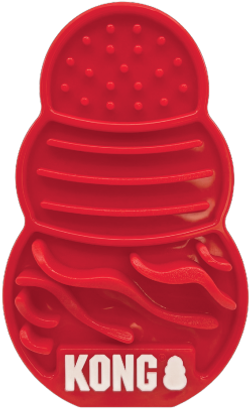
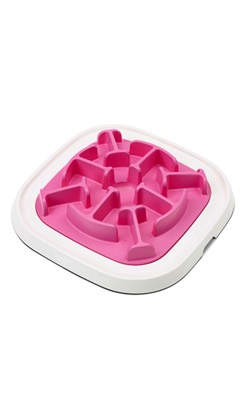
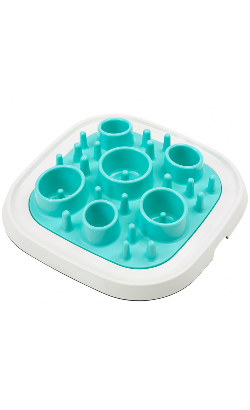
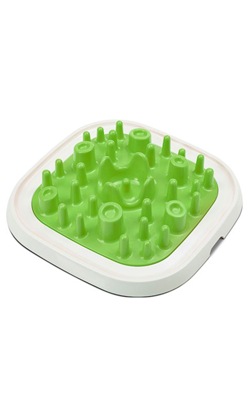
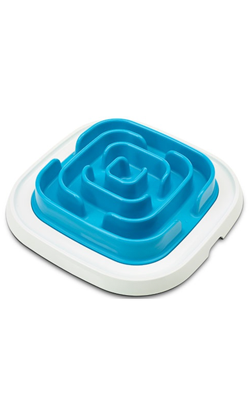
Lick mats and interactive slow feeders emerged precisely as a response to this problem. These accessories have surfaces with grooves, compartments, or textures that force the dog to work to access the food, making it physically impossible to swallow large quantities at once. The result is a meal that takes several minutes instead of seconds, allowing the brain to receive satiety signals at the right time and drastically reducing the risk of gastric dilatation, choking, and vomiting. In addition to the physical benefits, these products also offer behavioural advantages, as they stimulate the animal's mind, help combat boredom and anxiety, and can be a valuable tool during stressful moments, such as vet appointments, baths, or nail trims, distracting the dog through licking, a gesture that naturally helps release endorphins and promote relaxation.
How to choose and introduce a slow feeder
When choosing a slow feeder, it's important to consider the size of the animal and the size of its mouth, as a feeder that is too small can cause frustration, and one that is too large may not offer enough resistance. Resistant, easy-to-clean materials with a non-slip edge are preferable, especially for more enthusiastic eaters. The transition to this type of accessory should be gradual, starting by using the feeder for only one meal a day and observing how the animal reacts before making it part of the daily routine.
Recommended products
Frequently Asked Questions
Is eating quickly always dangerous for dogs? It doesn't always pose an immediate danger, but it increases the risk of problems such as gastric dilatation, choking, vomiting, and obesity, especially in large, deep-chested breeds.
Are slow feeders suitable for both dry and wet food? Yes, there are models adapted for dry kibble, wet food, and also pastes or pâtés; simply choose the type of feeder most appropriate for the animal's usual food.
How long does it take for a dog to get used to a slow feeder? Most dogs adapt within a few days, especially if the transition is gradual and the feeder is introduced for only one meal initially.
Does a slow feeder replace a vet visit if the dog has symptoms of gastric dilatation? No. Slow feeders are a preventive tool, but they never replace urgent veterinary care in the presence of signs such as a swollen abdomen, unsuccessful attempts to vomit, or respiratory difficulty.
Do small dogs also need slow feeders? Yes. Although the risk of gastric dilatation is greater in large breeds, any dog that eats too quickly can suffer from vomiting, indigestion, or overweight, so these accessories are beneficial regardless of size.


