
Cat Teeth: Care and Prevention Guide
Discover the signs of dental problems, how to care for your cat's mouth, and products that help prevent tartar and bad breath.

A cat's oral health is one of the most neglected areas in daily care, largely because cats are good at hiding discomfort and signs of pain. The accumulation of bacterial plaque and tartar not only affects breath - it can lead to pain, tooth loss, and even more serious health problems, as bacteria present in the mouth can enter the bloodstream and affect organs like the heart and kidneys. Fortunately, with a few simple habits and the right products, most of these problems can be prevented.
Why is cat dental health so important?
Periodontal disease is one of the most common conditions in adult cats, affecting most animals from a certain age if they do not receive regular dental care. It begins with the accumulation of bacterial plaque, which turns into tartar if not removed, and which in turn causes inflammation of the gums, known as gingivitis. If left untreated, this inflammation can progress to periodontitis, a more serious condition that affects the supporting tissues of the teeth and can lead to their loss.
Cats are also particularly prone to a condition called feline tooth resorption, where the tooth itself begins to be destroyed from the root, something that only a veterinarian can diagnose through examination or X-ray.
Signs that your cat may have dental problems
Cats are masters at hiding discomfort, which makes careful observation even more important. There are signs that deserve attention:
- Persistent bad breath;
- Presence of visible tartar on the teeth, usually yellow or brownish in color;
- Red or swollen gums;
- Difficulty chewing or a sudden preference for softer food;
- Dropping food from the mouth during meals;
- Increased salivation.
Some cats may also rub their face with their paws, avoid being touched around their mouth, or become more reserved and eat less than usual. If you notice any of these signs, it's worth scheduling a veterinary consultation for evaluation, as accumulated tartar can only be completely removed through a professional dental cleaning performed under sedation.
How to care for your cat's teeth?
Regular brushing is the most effective way to prevent bacterial plaque accumulation, although it is more challenging in cats than in dogs. The ideal is to introduce the habit very gradually, starting by getting the animal used to having its mouth touched with a finger, then moving on to a silicone finger toothbrush before any more formal brushing attempt. Toothpaste or gel specifically formulated for cats should always be used, never human oral hygiene products. For cats that completely resist mouth manipulation, there are practical alternatives, such as water additives or enzymatic oral gels, which help reduce plaque without requiring direct contact with the teeth.
Other ways to care for your cat's dental health
In addition to brushing, there are other tools that complement dental care and are particularly useful for cats that are more resistant to manipulation.
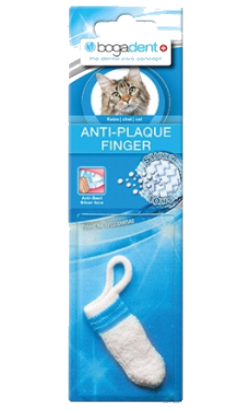
Silicone finger toothbrushes allow for gentle cleaning and are easier to accept than a traditional toothbrush.
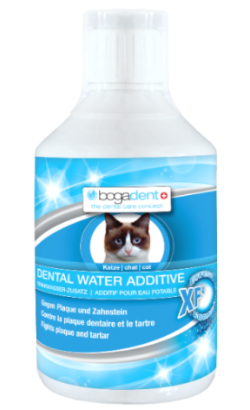
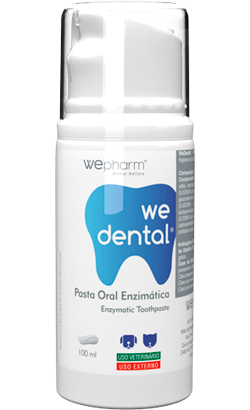
Water additives and enzymatic gels help fight bacterial plaque passively, simply by adding them to the water or applying them directly to the cat's mouth.
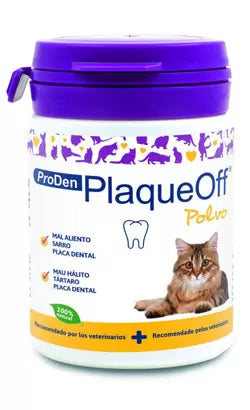
Powder supplements, based on seaweed, are another practical option, as they are mixed directly into the daily kibble or wet food.
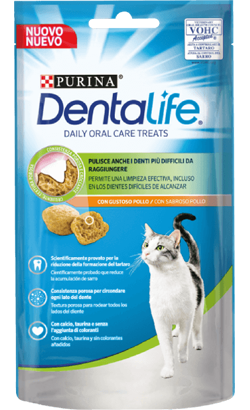
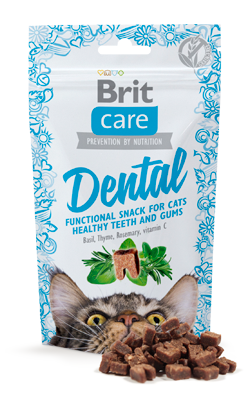
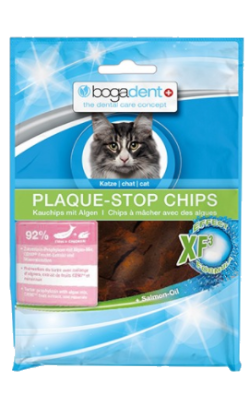
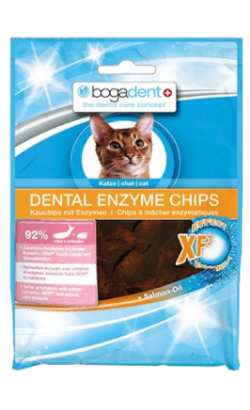
Dental treats with specific textures that help mechanically remove plaque during chewing are also a good complement, although they do not replace other care. The ideal is to combine several of these approaches, adapting to the routine and tolerance of each cat.
Recommended products:
Dental treats
Frequently asked questions
Is it possible to brush a cat's teeth? Yes, although it is more difficult than in dogs. Introduction should be very gradual, starting with getting them used to having their mouth touched before any attempt to brush with cat-specific toothpaste.
My cat won't let me touch its mouth, what can I do? There are alternatives without direct contact, such as water additives, enzymatic gels, and powdered supplements mixed into food, which help reduce bacterial plaque even without brushing.
Do dental treats replace brushing? Not entirely. They help reduce plaque through chewing and friction, but should be seen as a supplement, not a substitute for other dental care.
What are the signs that my cat has tooth pain? Refusal of food or preference for soft food, dropping food from the mouth, bad breath, excessive salivation, and avoiding being touched on the muzzle are signs you should be aware of.


