
My cat eats less in the summer. Is this normal or concerning?
Is your cat eating less due to the heat? Find out why this happens, when it's normal, and when you should seek veterinary attention.

If you've noticed your cat eating less since the weather got warmer, you're not alone – and most of the time, there's no cause for alarm. Recent studies show that most cats eat about 15% less in warmer months, even those living exclusively indoors. Still, there are signs that warrant extra attention, especially since cats are known for hiding when they don't feel well. In this article, we explain why this happens, what's normal, and when it's worth consulting your vet.
Why do cats eat less when it's hot?
Digesting food is a process that generates internal heat, and in summer, a cat's body tries to avoid precisely that – producing more heat than it can dissipate. Therefore, reducing food intake is a natural way for the body to stay cool. Cats also tend to be less active during the hottest hours, which reduces their daily energy needs, and many prefer to eat at dawn or dusk when the temperature drops.
Cats are descended from ancestors in hot, arid climates, which makes them relatively well-equipped to handle high temperatures. Still, unlike dogs, cats don't pant as a normal way to regulate temperature – they only do so in situations of extreme heat or stress, and in those cases, it's already a warning sign, not a normal reaction.
When it's normal:
A slight, temporary drop in appetite during the summer is usually harmless. It can be considered normal when:
- Your cat continues to drink water normally, or even more than usual.
- Maintains usual behaviour – continues to play, explore the house, and interact with you.
- Eats less than usual, but doesn't refuse food entirely.
- There is no visible weight loss over time.
- Does not show vomiting, diarrhoea, lethargy, or other associated symptoms.
- If your cat fits this description, it's most likely just a normal seasonal adaptation.
When you should be concerned:
With cats, there's an additional concern that doesn't apply as much to dogs: a cat that eats very little, or nothing, for more than 24 to 36 hours is at risk of developing hepatic lipidosis, a potentially serious liver disease that can arise when the cat's body mobilises fat in an unregulated manner due to lack of food intake. Therefore, in cats, the tolerance time for eating little is shorter than what is usually referred to for dogs.
Consult your vet if you notice:
- Complete refusal of food for more than 24 hours, or very reduced intake (less than half the usual amount) for more than 36 hours.
- Obvious weight loss.
- Lethargy, prostration, or little willingness to interact, even outside the hottest hours.
- Panting or open-mouth breathing – in cats, unlike dogs, this is not normal and can be a sign of overheating or serious discomfort.
- Vomiting, diarrhoea, or signs of dehydration, such as dry mouth or skin that takes time to return to place when gently lifted on the scruff of the neck.
These symptoms can indicate heatstroke, a digestive problem, or another health condition that requires clinical evaluation, and should not be automatically attributed to the heat without veterinary confirmation.
How to help your cat eat better in summer
Some simple adjustments usually make a difference:
- Offer meals during the cooler hours of the day, such as early morning or late afternoon.
- Always ensure fresh, clean water is available, and consider having more than one water bowl placed around the house, as cats tend to drink little by habit.
- Avoid leaving food exposed to heat for too long, especially if it's wet, as heat alters the smell and taste, making it less palatable.
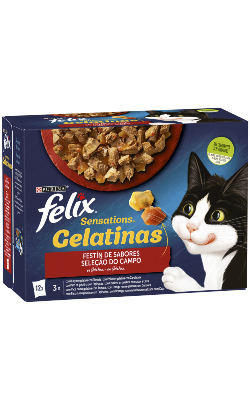
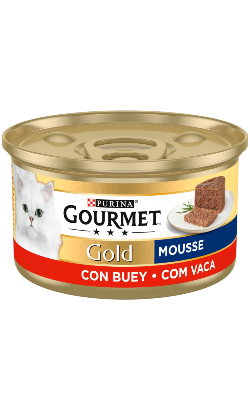
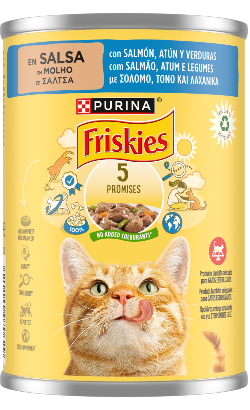
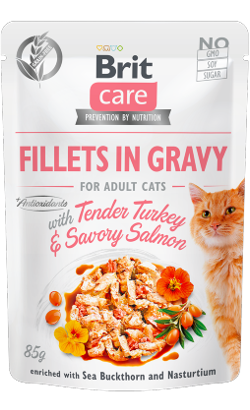
- Opt for wet food, which helps increase water intake and is usually more appealing than dry kibble on hot days.
- Avoid forcing your cat to eat – this only increases stress and can worsen food refusal.
Wet food to boost your cat's appetite in summer
Wet food can contain up to 80% water, making it an important ally both for stimulating appetite and for keeping your cat well-hydrated on hotter days. Some suggestions:
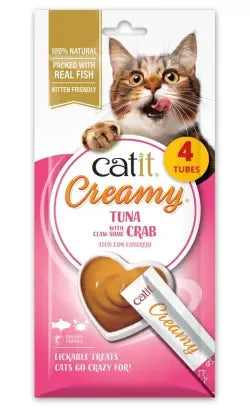
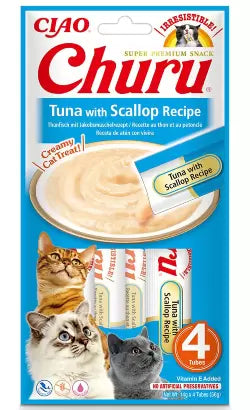
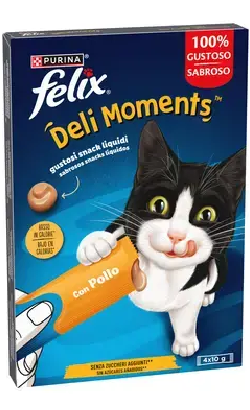
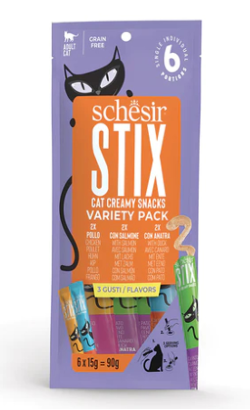
Snacks to increase hydration
In addition to wet food, creamy treats are another good tool to provide your cat with extra hydration between meals. They don't replace a full meal, but they can help keep your cat interested in food:
Frequently Asked Questions
My cat eats less in summer; should I change its diet?
Not necessarily. You can start by introducing wet food or mixing a little with its usual kibble, as it's often more palatable and helps maintain hydration. If the drop in appetite persists or worsens, speak to your vet.
How long is it considered normal for a cat to eat less due to heat?
A slight and temporary reduction, without other symptoms, can be normal. However, if your cat eats very little or nothing for more than 24 to 36 hours, you should contact your vet, as cats are at risk of liver problems when they go too long without eating.
My cat is breathing with an open mouth; is this normal in the heat?
No. Unlike dogs, cats typically do not pant or breathe with an open mouth as a way to regulate temperature. If you notice this, even if it seems slight, contact your vet as soon as possible.
Should I force my cat to eat if it refuses a meal?
No. Forcing can increase stress and worsen food refusal in the long run. Instead, try to make the meal more appealing – for example, with wet food or during cooler times – rather than insisting.
When should I take my cat to the vet for lack of appetite?
Whenever food refusal exceeds 24 hours, or if you notice weight loss, lethargy, vomiting, diarrhoea, panting, or signs of dehydration. In these cases, heat may not be the only explanation, and for cats, the safe waiting time is shorter than for dogs.


