
Dental care for dogs: Prevent Tartar and Bad Breath
A dog's oral health is one of the most neglected areas in daily care, despite having a direct impact on the animal's overall well-being. Discover what care you should take with your dog.

A dog's oral health is one of the most neglected areas in daily care. The accumulation of plaque and tartar not only affects breath – it can lead to pain, tooth loss, and even more serious health problems, as bacteria present in the mouth can enter the bloodstream and affect organs such as the heart and kidneys. Fortunately, with a few simple habits and the right products, most of these problems can be prevented.
Why is a dog's dental health so important?
Periodontal disease is one of the most common conditions in adult dogs, affecting most animals from a certain age if they do not receive regular dental care. It begins with the accumulation of bacterial plaque, which turns into tartar if not removed, and which in turn causes gum inflammation, known as gingivitis. If left untreated, this inflammation can progress to periodontitis, a more serious condition that affects the supporting tissues of the teeth and can lead to their loss. In addition to the local impact on the mouth, there is evidence that chronic dental problems can contribute to the development of diseases in other organs, making dental care an essential part of the animal's overall health, and not just an aesthetic issue.
Signs that your dog may have dental problems
It is not always easy to tell that a dog is experiencing discomfort in its mouth, as animals tend to hide pain well. Still, there are signs that deserve attention:
- Persistent bad breath;
- Presence of visible tartar on the teeth, usually yellow or brownish in color;
- Red or swollen gums;
- Sensitivity when chewing;
- Sudden preference for softer food;
- Broken or loose teeth;
- Increased salivation.
Some dogs may also rub their snout with their paws or avoid having their mouth area touched. If you notice any of these signs, it is worth scheduling a veterinary appointment for an evaluation, as accumulated tartar can only be completely removed through professional dental cleaning performed under sedation.
How to brush your dog's teeth?
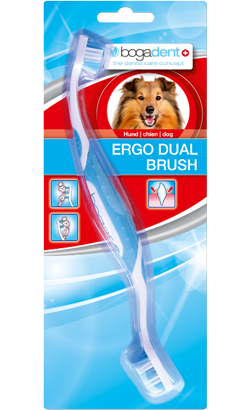
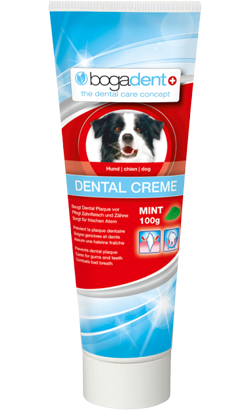
Regular brushing is undoubtedly the most effective way to prevent the accumulation of bacterial plaque. Ideally, you should brush your dog's teeth three to four times a week for the habit to make a real difference. The introduction should be gradual, starting by getting the animal used to having its mouth touched, then progressing to using your fingers or a silicone finger brush before moving on to a proper toothbrush. Toothpaste specifically formulated for dogs should always be used, as human toothpastes contain ingredients like xylitol, which is toxic to animals.
The movement should be gentle and circular, with special attention to the gum line, where plaque accumulates most easily. Associating brushing with a calm moment, with praise or rewards at the end, helps the dog associate the process with something positive instead of seeing it as a stressful experience.
Other ways to care for your dog's dental health
In addition to brushing, there are other tools that complement dental care and are particularly useful for dogs who are more resistant to brushing.
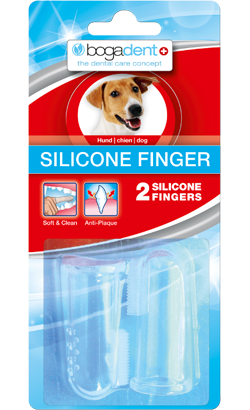
Silicone finger brushes are a good option for those starting to introduce oral hygiene, as they allow for gentle cleaning and are easier for the animal to accept than a traditional toothbrush.
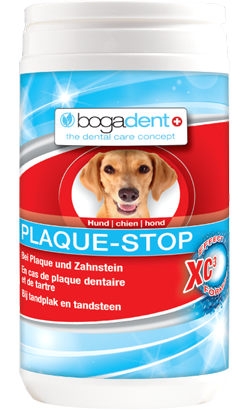
Oral supplements, usually in powder or tablet form, help reduce plaque formation and can be added to water or food, making them a practical solution for daily use.
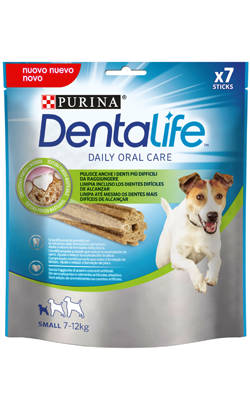
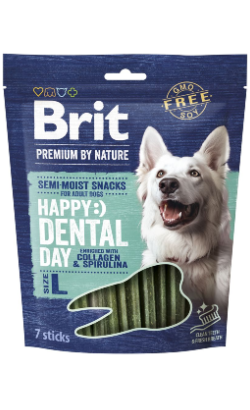
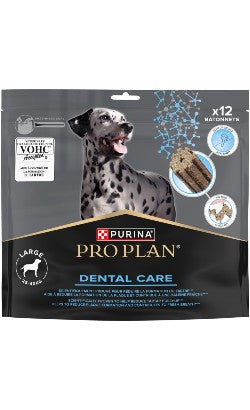
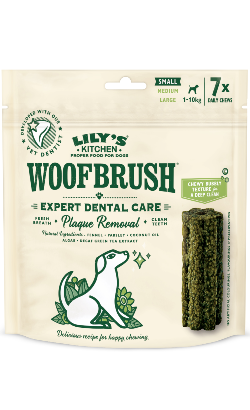
Dental snacks and toys, with specific textures that help mechanically remove plaque during chewing, are also a good complement, although they do not replace regular brushing. The ideal is to combine several of these approaches, adapting to each dog's routine and tolerance.
Recommended products:
Dental snacks
Frequently asked questions
How often should I brush my dog's teeth? Ideally, brush daily, but three to four times a week already provides significant benefits in preventing tartar and gingivitis.
Can I use human toothpaste on my dog? No. Human toothpastes contain ingredients like xylitol, which is toxic to dogs. You should always use toothpaste specifically formulated for animals.
My dog won't let me brush his teeth, what can I do? Start gradually, getting your dog used to having his mouth touched, move on to a silicone finger brush before introducing the toothbrush, and always associate the moment with praise or rewards.
Do dental treats replace brushing? Not entirely. They help reduce plaque through chewing and friction, but regular brushing remains the most effective way to prevent dental problems.
When should I take my dog to the vet for a professional dental cleaning? Whenever you notice visible tartar, persistent bad breath, inflamed gums, or difficulty chewing. The vet can assess whether a cleaning under sedation is necessary to remove already accumulated tartar.
How many dental sticks should I give my dog? Most dental sticks are designed to be given once a day, as the goal is to create a daily habit that helps consistently reduce bacterial plaque, just like brushing.


