
How to protect dogs' paw pads?
Learn how to protect your dog's paw pads from heat, cold, and rough surfaces. Find simple tips and specific products to help your dog.

Paw pads are much more than just a layer of skin – they act as natural shock absorbers, thermal insulation, and protection against direct contact with the ground. However, it is an area of the dog's body that is often forgotten in daily care, despite being exposed to extreme temperatures, rough surfaces, and chemicals throughout the year.
Why do paw pads need care?
The skin covering the pads is thicker than the rest of the body, but it is still vulnerable to burns, cuts, excessive dryness, and cracks. Unlike humans, who wear shoes for protection, dogs walk in direct contact with the pavement, whether it's hot asphalt in the summer, ice or rain in the winter, beach sand, or rocky terrain on hikes. Over time, repeated exposure to these conditions can make the pads dry, cracked, or more sensitive, increasing the risk of pain and lameness.
Summer Heat: The Danger of Hot Pavement
In summer, asphalt and concrete can reach temperatures much higher than the air temperature, especially on sunny days. Pavement that feels only warm to the touch can already be hot enough to cause burns to the pads in a few seconds. A good rule of thumb is to place the palm of your hand on the ground for five seconds – if it's uncomfortable for you, it will be uncomfortable for your dog too. Whenever possible, walk your dog during the coolest parts of the day, such as early morning or late afternoon, and prefer walking in grassy or shady areas instead of paved surfaces exposed to the sun.
Cold and Ice in Winter
In winter, the main risk comes from prolonged cold and contact with ice. After walks on cold or snowy days, it is important to clean and thoroughly dry the dog's paws, removing any debris that may have gotten stuck between the toes.
Rough Surfaces and Difficult Terrains
Walking on rocky trails, hot sand, shells, or uneven terrain can also wear down and injure the pads, especially in dogs unaccustomed to this type of surface. Gradual introduction to different terrain textures helps to naturally strengthen the skin of the pads over time, but in particularly aggressive terrains, additional protection may be worth considering.
Daily Care and Hydration
Regularly inspecting your dog's paws allows you to detect cuts, cracks, objects stuck between the toes, or signs of excessive dryness early on. Keeping the hair between the pads trimmed helps prevent the accumulation of debris, ice, or moisture. There are also specific balms and waxes for dog paw pads, formulated to moisturize and create a protective layer against heat, cold, and rough surfaces, which are especially useful for dogs that frequently walk in extreme conditions.
Recommended products
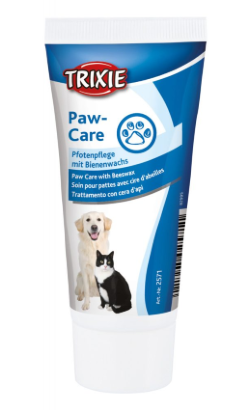
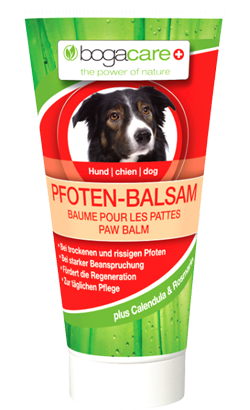
When to Consult the Vet
Not all paw problems can be resolved with home care alone. If you notice persistent redness, bleeding, sudden lameness, wounds that do not heal, or your dog excessively licking a specific paw, it is important to consult the veterinarian. These signs may indicate a more severe burn, a deep cut, an object lodged in the pad, or even an infection that requires appropriate treatment.
Frequently Asked Questions
How do I know if the ground is too hot for my dog to walk on?
Place the palm of your hand on the pavement for about five seconds. If you feel discomfort or excessive heat, the ground is too hot for your dog's paws.
Should I use protective boots on my dog?
Boots can be useful in extreme conditions, such as snow, ice, very hot sand, or very rough terrain, but they require a gradual habituation period, as many dogs initially resist wearing them.
Is it normal for my dog's paw pads to be dry or cracked?
Some natural roughness is normal, but deep cracks, excessive peeling, or pain to the touch are not normal and should be evaluated by the veterinarian.
How often should I inspect my dog's paws?
Ideally, you should check their paws after every longer walk or in extreme conditions of heat, cold, or rough terrain, and perform a general inspection at least once a week.


